
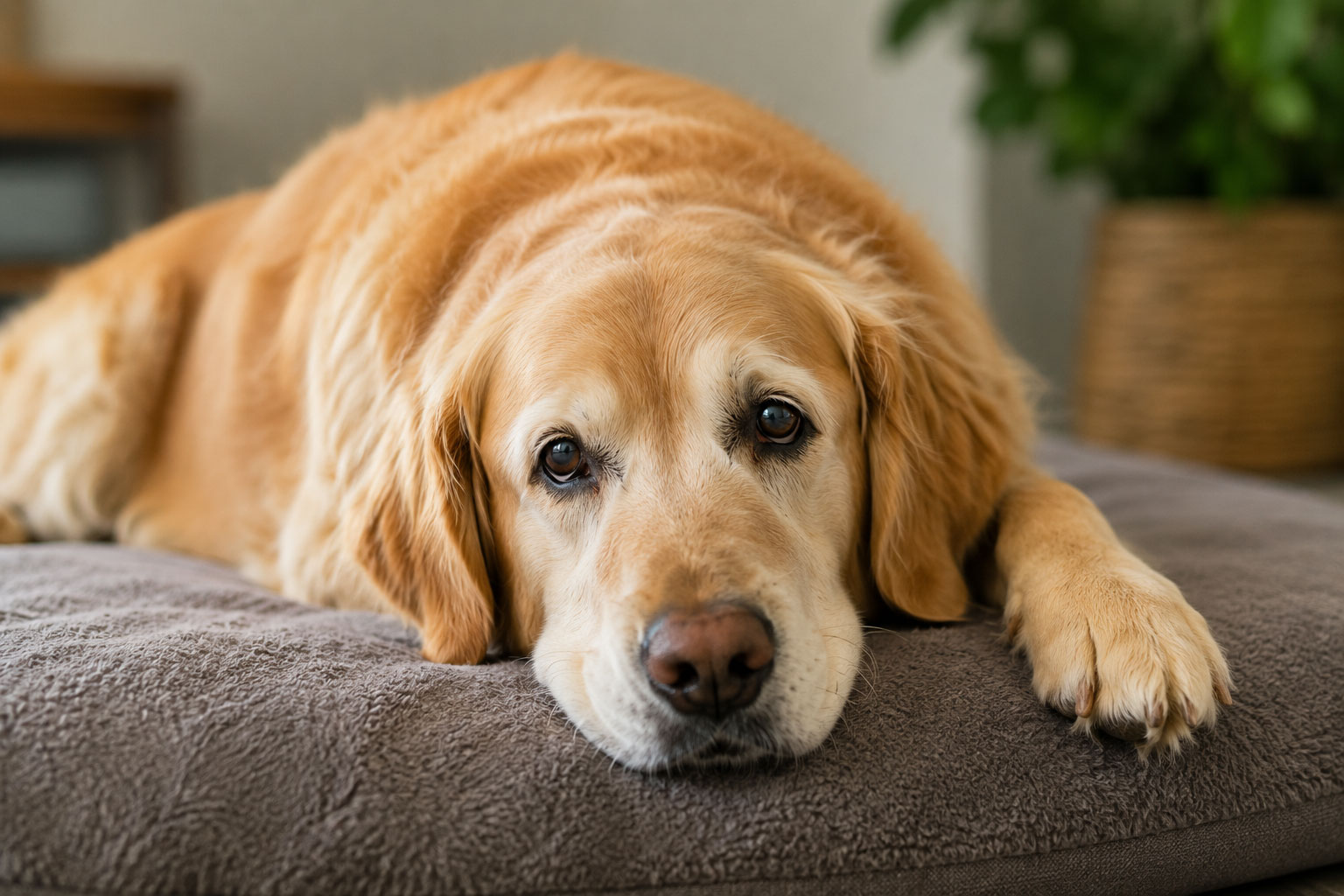
Dogs are incredibly good at adapting. Unfortunately, that can also mean they become very good at hiding discomfort. While obvious limping, crying or refusing to move will usually get our attention, many dogs show much more subtle signs when something doesn’t feel quite right. Changes in movement, behaviour, sleep or even personality can sometimes be their way of telling us they need a little extra support.
Here are seven signs worth keeping an eye on:
1. They’re slower getting up
If your dog takes a little longer to rise after sleeping or seems stiff for the first few steps, it may indicate that their muscles or joints aren’t moving as comfortably as they once did.
2. They’re reluctant to jump
Suddenly hesitating before jumping onto the couch, into the car or onto the bed can be an early sign of physical discomfort.
3. Their posture has changed
Dogs naturally adjust the way they stand and move to compensate for areas that feel uncomfortable. You might notice an unusual stance, rounded back or their weight shifting more heavily onto particular legs.
4. They’re licking one area repeatedly
Persistent licking isn’t always just grooming. Some dogs repeatedly lick an area that feels sore, tight or uncomfortable.
5. Their personality seems different
Physical discomfort can affect behaviour. A normally social dog might become quieter, more withdrawn, restless or less tolerant of being touched.
6. They’re sleeping more or struggling to settle
Both can be important clues. Some dogs sleep more when they aren’t feeling their best, while others constantly change positions because they can’t quite get comfortable.
7. They’ve simply “slowed down”
It’s easy to put everything down to age, particularly with senior dogs. But getting older doesn’t automatically mean your dog should stop enjoying walks, play and everyday adventures.
Looking at the whole dog
At Dogs Dig It, we believe in looking beyond a single symptom. A dog’s physical body, emotional wellbeing and overall energy are closely connected, and changes in one area can influence another. Supporting your dog’s wellbeing through appropriate therapies may help improve comfort, mobility, relaxation and overall quality of life.
Sometimes the smallest changes tell the biggest story. 🐾