
Senior Dog Wellness
Understanding the Changing Needs of Senior Dogs
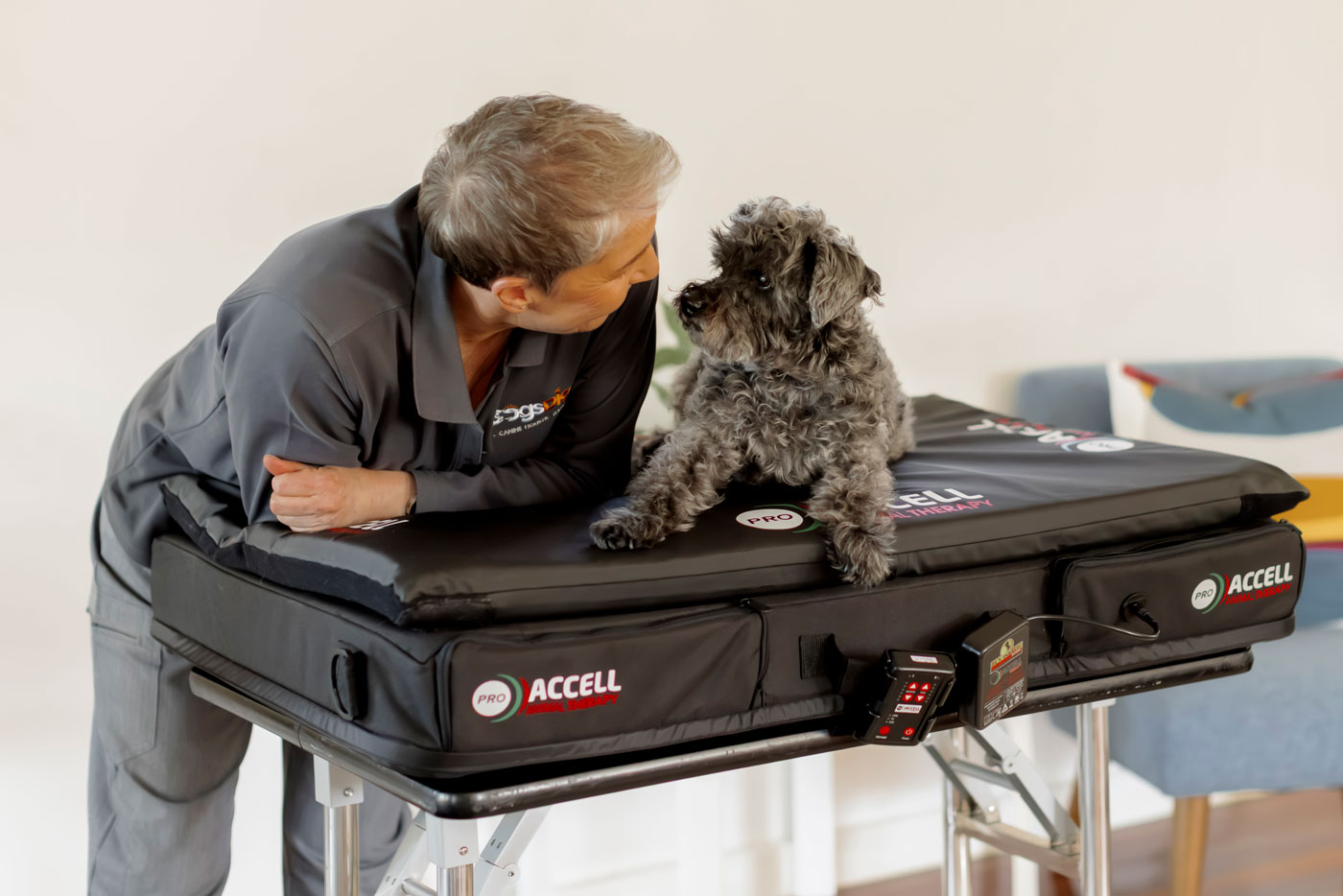
As dogs move through their senior years, their needs can change in many ways. They may become slower to get up, less steady in their movement, more sensitive in their body, experience changes in appetite, show cognitive changes, or need extra support with comfort, mobility, relaxation and emotional wellbeing.
Senior Dog Wellness is about supporting the whole dog and not just focusing on age, stiffness or physical changes. It is about understanding who they are today and helping them feel comfortable, safe, understood and supported through each stage of ageing.
Signs Your Senior Dog May Benefit From Extra Support
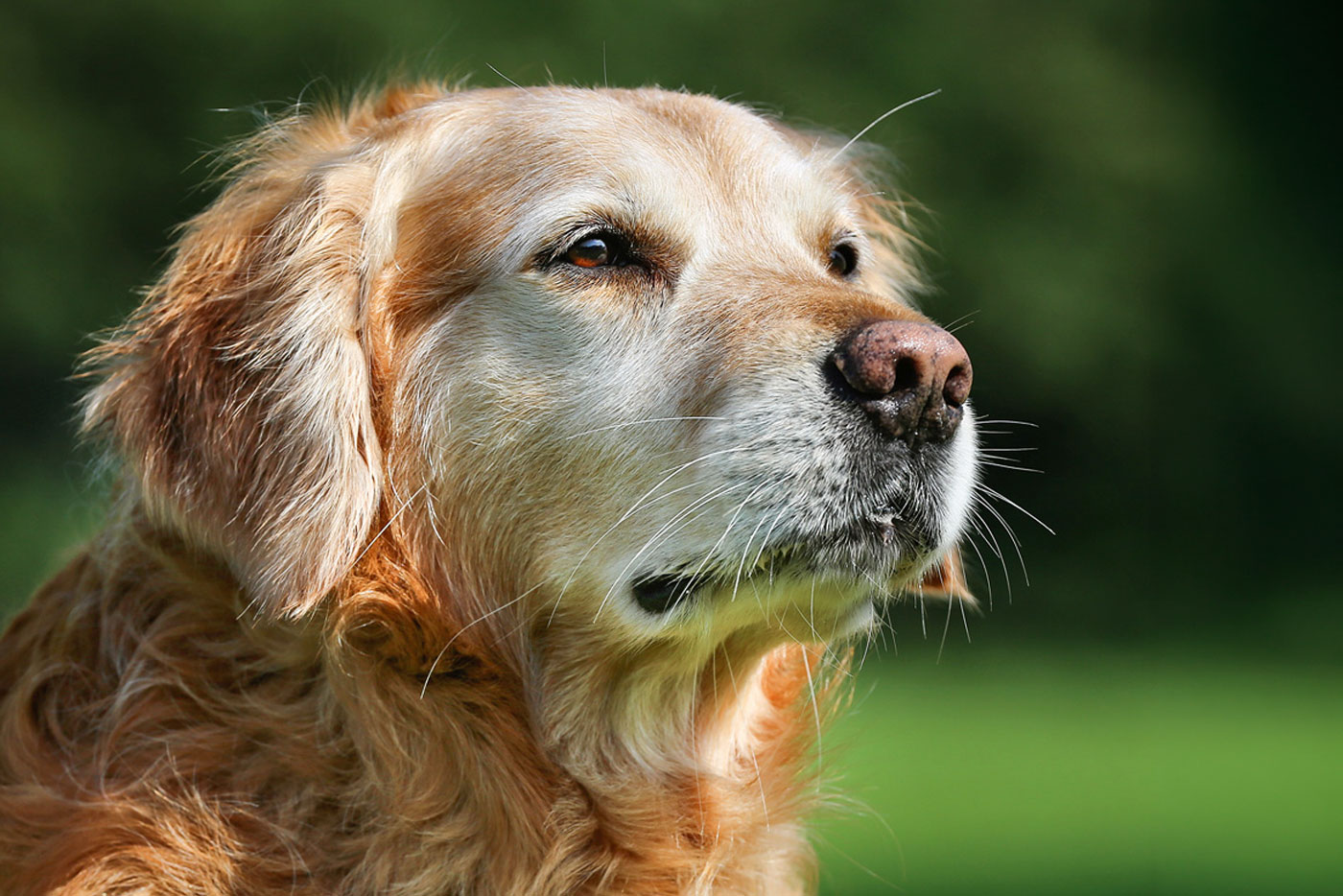
As dogs age, changes can happen gradually and may be easy to overlook. Small changes in movement, behaviour, comfort or daily routines can provide valuable insight into how your dog is feeling. You might notice:
- Stiffness when getting up or lying down
- Slowing down on walks
- Changes in mobility or balance
- Muscle loss or weakness
- Reluctance to climb stairs, jump or play
- Sensitivity to touch or handling
- Changes in appetite or eating habits
- Changes in sleep patterns or restlessness
- Difficulty settling or relaxing
- Increased anxiety, worry or appearing unsettled
- Withdrawal or becoming less interested in family interaction or activities
- Cognitive changes, confusion or seeming disoriented
- Changes in confidence, mood or personality
Supporting Your Senior Dog at Home
Supporting a senior dog is not only about what happens during a session. Their everyday environment can also influence comfort, confidence and mobility.
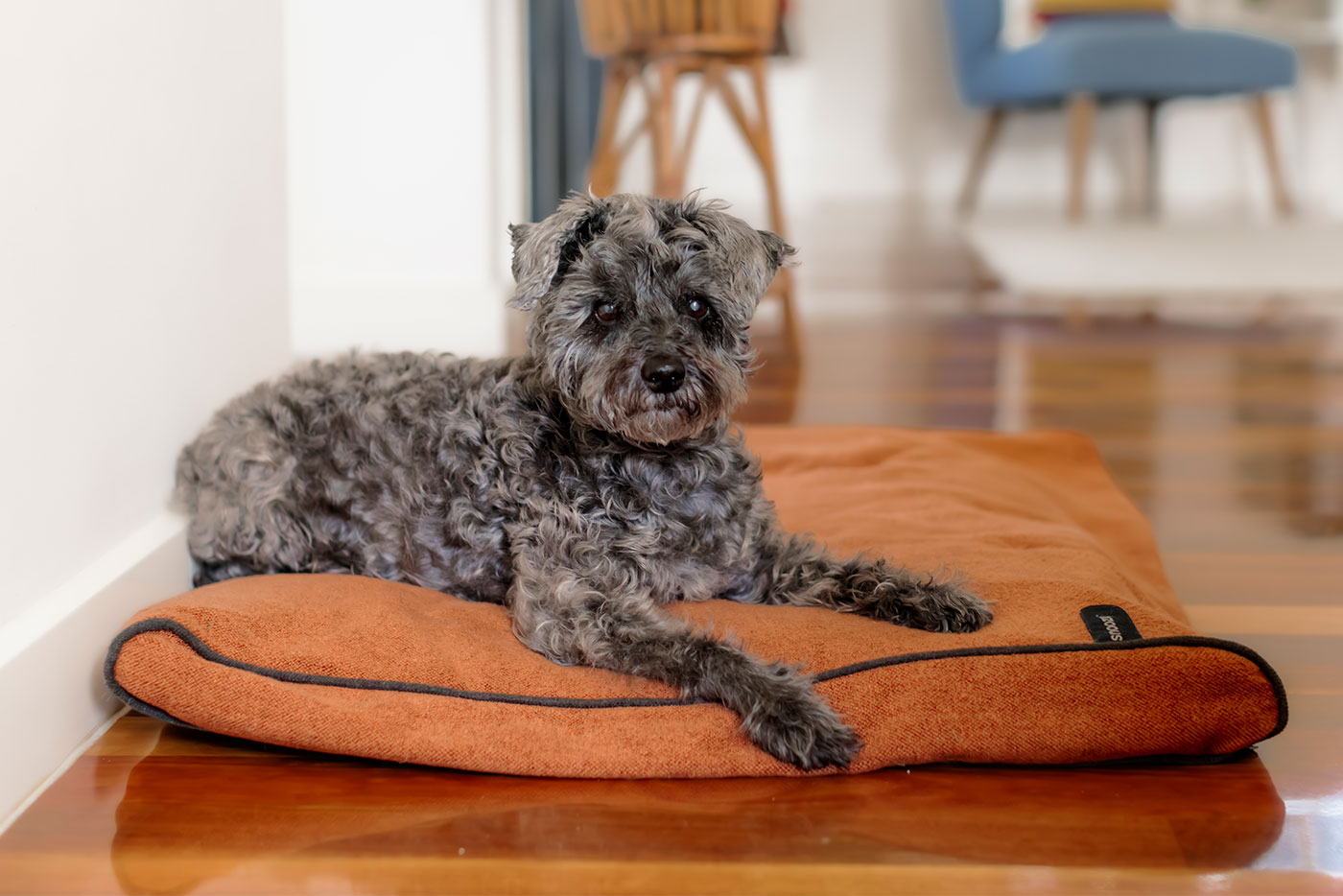
As part of supporting your senior dog, I also consider their home environment, including flooring, bedding, stairs, ramps and resting areas, as these can all influence comfort, mobility and confidence day to day. Small changes within the home can make a meaningful difference to how a senior dog moves through their day.
- Comfort in Familiar Surroundings – Older dogs can receive care in the place they feel safest and most relaxed, without the stress of an unfamiliar environment.
- No Difficult Car Trips – Ideal for senior dogs with reduced mobility, joint stiffness or difficulty getting in and out of vehicles.
- Less Stress & Anxiety – Being at home can help nervous, sensitive or ageing dogs remain calmer and more receptive to their therapy.
- Perfect for Less Mobile Dogs – At-home visits make ongoing support more accessible for dogs who find walking, stairs or travelling increasingly challenging.
- A More Personal Experience – Seeing your dog in their everyday environment can provide valuable insight into how they move, rest and navigate their home.
In loving memory of beautiful Gus who sadly passed in his 18th year
“Watching Louise work with my dog Gus it’s clear she loves dogs and is passionate about helping them live their best life. Gus is nearly 13 and has always been a fussy eater. Never finishing a meal in one go, often leaving food in his bowl for hours. If I tried a new brand he’d be enthusiastic at first but soon get bored with it. Over the last year his mobility has deteriorated as well. He started walking very slowly and had stopped climbing up the six steps to my front door when we got home.
Louise is a miracle worker. She recommended I put Gus on a raw diet and give him some supplements to help his joints. The change has been amazing. He’s so happy at meal times that he does a little dance when he sees his bowl. He’s got a lot more energy and even bounds up the stairs without hesitation. It’s been six weeks since he started the raw diet and about four weeks since he started supplements. The transformation has been truly remarkable and I can’t thank Louise enough.”
My Experience With Senior Dogs
My passion for senior dog wellness has grown through both personal experience and professional training.
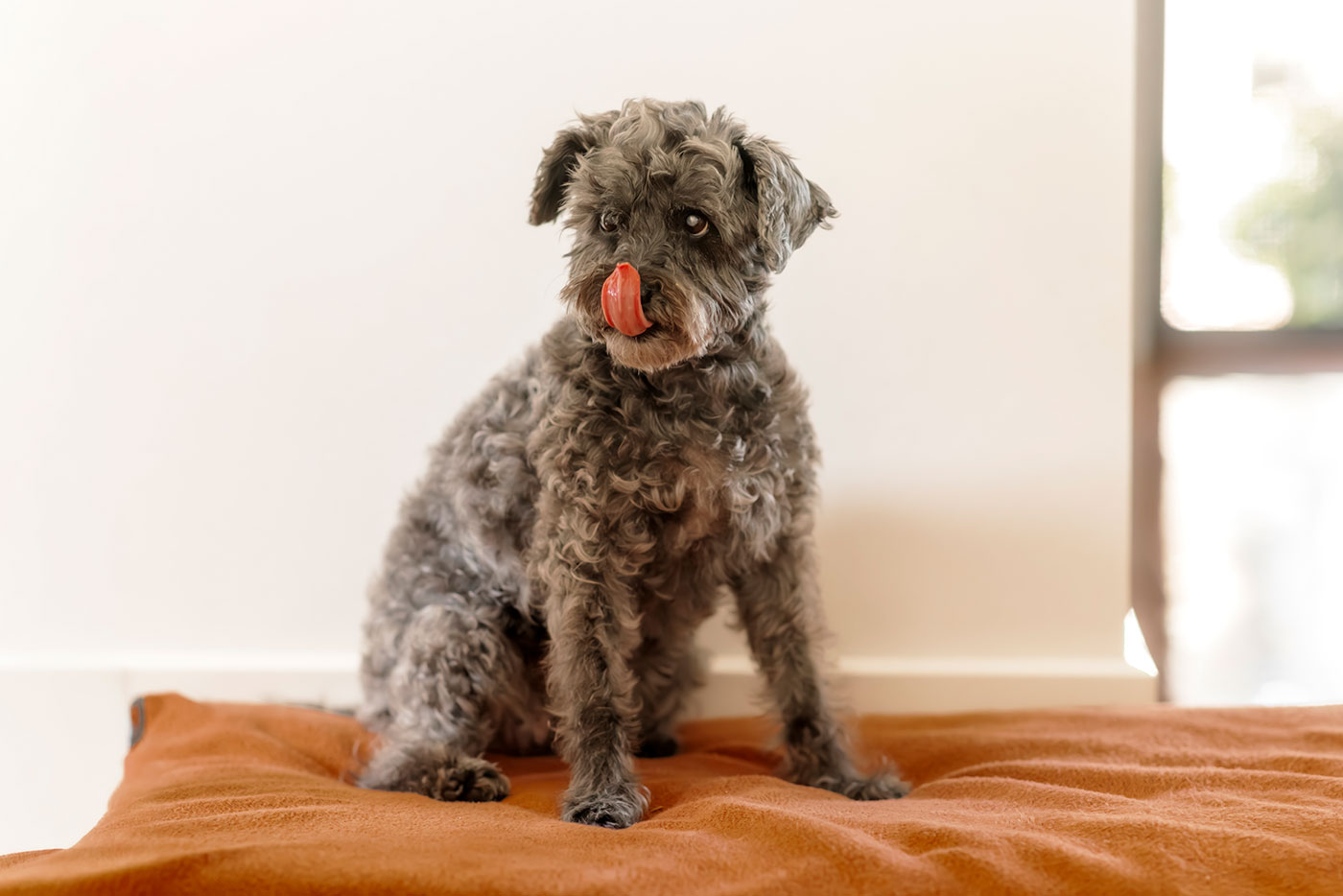
Living with a senior dog has deepened my understanding of the changes that can come with ageing and the importance of recognising what each dog needs as they move through this stage of life. Through experience, observation and ongoing learning, I have developed a deeper appreciation for supporting them with patience, respect and compassion.